
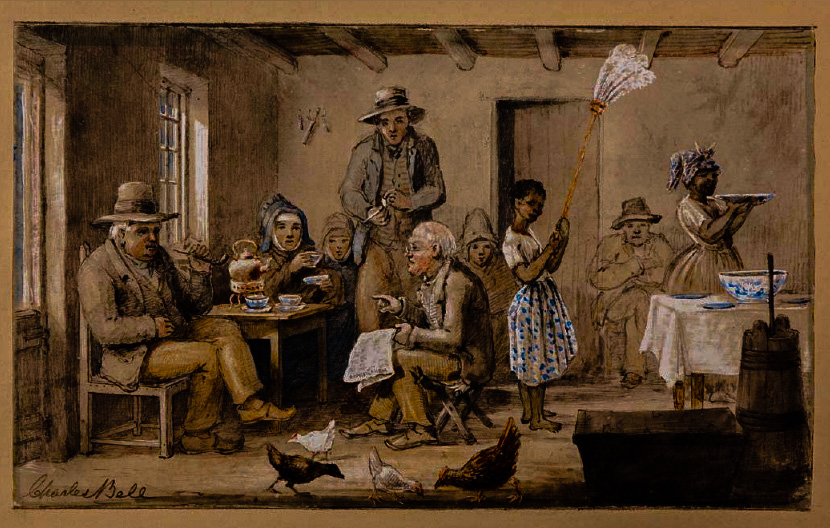
PAMELA.
THE UPRISING
LOGLINE:
Now being able to read, Pamela believes she now has means to turn her
anger into a journey towards freedom, but when she learns more about her
mother and her ancestral land, her fight for freedom turns out to be
more complicated and difficult than she could have known.
GENRE
Drama
DURATION
90 minutes
LANGUAGES
Afrikaans, Khoekhoegowab & English
DATE OF WHEN THE PROJECT STARTED
The project is currently in script development and is funded by the Thuthuka Fund. A fund for the Netherlands & South Africa co-production treaty. The project started in 2023 and aims to be done with development in 2024 - 202
PRODUCTION STORY
The project will be filmed in South Africa. Using South African cast & crew, our aim is to go into production in 2026 or 2027. Film to be produced by NA AAAP Productions.
Pamela project - 1825 Slave Uprising Houdenbek
The second uprising took place in 1825 on a remote farm (Houdenbek) in the Koude Bokkeveld. A number of slaves and Khoekhoe labourers, led by Galant van de Kaap (1801-1825), killed the farmer and two other men who happened to be in the wrong place at the wrong time. They threatened to take over the other farms in the region. They believed that emancipation had been promised by the government and that their owners were holding it back from them. However, the local Veldcornet, Willem Francois du Toit, called together a Commando of local farmers with some of their slaves and Khoi servants,
Film Production
Producing an independent film from scriptwriting, producing, filming & final mastering by NA AAAP Productions
In South Africa
Historical sources on slavery
Uprising at the Cape
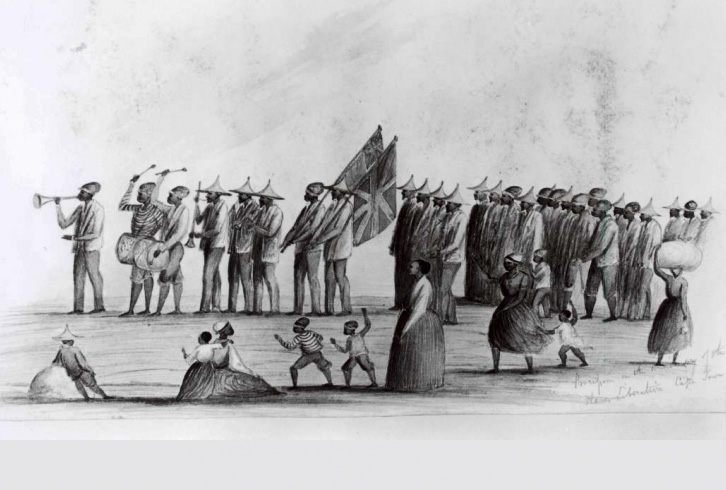
The first uprising took place in 1808. Two slaves, Louis van Mauritius and Abraham van de Kaap, met a couple of Irish sailors in a Cape Town tavern. They also told Louis and Abraham about countries such as Britain where slavery did not exist. Louis van Mauritius and Abraham van de Kaap decided that it was time to fight for the freedom of all slaves. They persuaded 300 slaves living on farms in the Koeberg region to march to Cape Town and demand their freedom. The slaves attached some of the farms on their way. They were defeated when they reached Salt River.
1825 Slave Revolt at Houdenbek
The second uprising took place in 1825 on a remote farm in the Bokkeveld. A number of slaves and Khoekhoe labourers, led by Galant van der Caab, killed the farmer and some of his family. They threatened to take over the other farms in the region. They believed that emancipation had been promised by the government and that their owners were holding it back from them. The slaves were captured and Galant was executed. This uprising is often referred to as the Galant uprising, named after the leader.
"Droster" groups of runaway slaves
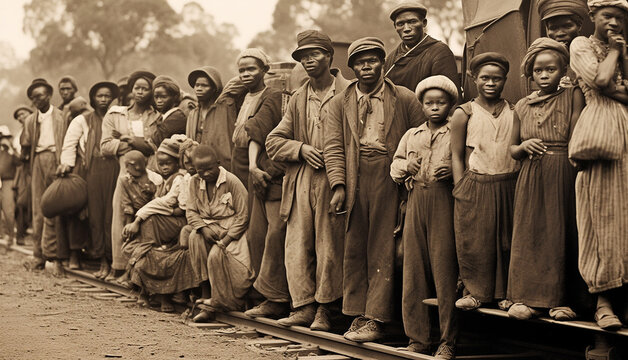
Starting from when slaves arrived at the Cape of Good Hope, many slaves ran away. This may have been a check on very bad treatment of slaves, as some have said. Indeed, the Cape of Good Hope had very few of the large slave-operated plantations known from elsewhere. Some runaway slaves were caught and returned to their owners, some joined Khoi/San groups, who learnt western technology from them, and some collected into groups made up of runaway slaves. The term "Droster" was used to describe such groups. It was the word originally used for soldiers or sailors who had abandoned ship to fend for themselves
African Centre for Heritage Activities
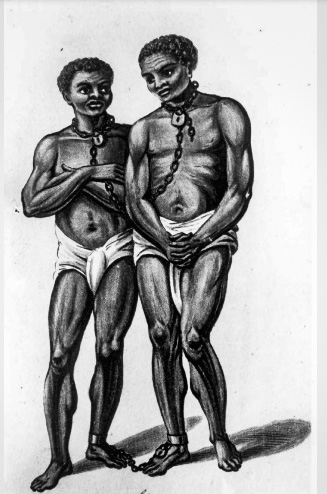
Slavery was introduced to the Cape Colony by the VOC in its desire to boost the agriculture and food supply while retaining control in the new settlement. As the settlement expanded, slavery also spread. Historian Nigel Worden points out that slavery “”¦became the mainstay of arable farming in the western districts, played a significant role in the functioning of Cape Town as a centre of exchange and was used for pastoral and domestic labour in the remoter northern and eastern districts...
Portfolio
Check our Portfolio
Synopsis
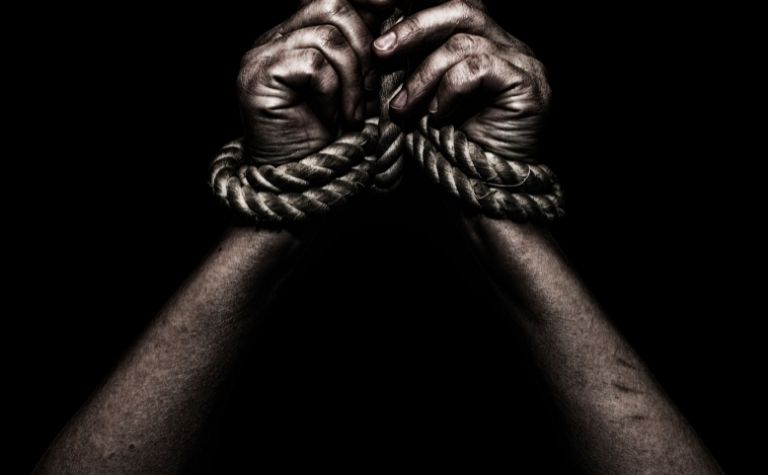
1800. A young Alma was taken from Mozambique and put into slavery on a big, western cape estate, owned by Willem van de Merwe. She tries to flee, but she keeps getting caught. She is forced to take on a new life and a new name: Alma February. 1825. Pamela, a slave working in the kitchen of the Van de Merwe house- hold, wants freedom, but has never known it and doesn’t know how to be free. She only feels anger and sees shadows of her mother. Now she has secretly learned how to read from Betje, a free Khoi woman working alongside her. Pamela knows Betje’s husband Galant has contact with all the slaves on the estate who want to rebel, and now, with Pamela being able to read and working close to the Van de Merwe familly, she can be of good value. However, when she want to join this underground network of slaves, she learns that Isabella, the Afrikaner wife of Barend van de Merwe, is in love with Galant. Even though Galant assures Pamela Isabel- la is on their side, Pamela doesn’t trust her.

Contact
Contact Us
Address
Woodstock, Western Cape, South Africa 8001
Call Us
+27 21 461 0780
Email Us
naaapproductions@gmail.com